Skip links

Sick Visits

Evaluation of acute, non-emergency symptoms to assess cause, guide treatment, and determine appropriate next steps.

Evaluation of acute, non-emergency symptoms to assess cause, guide treatment, and determine appropriate next steps.

Focused. Timely. Clinically guided.

A Medical Approach to Accute Care

Not every illness requires urgent care, but it does require evaluation.

Sick visits are designed to assess new or worsening symptoms, rule out concerning conditions, and provide medically appropriate treatment or guidance.

Common concerns may include:

  • Upper respiratory symptoms such as cough, congestion, or sore throat
  • Fever, fatigue, or flu-like symptoms
  • Gastrointestinal issues including nausea, vomiting, or diarrhea
  • Mild infections or inflammatory conditions
  • Acute pain or discomfort requiring clinical assessment

Care decisions are based on symptom severity, duration, medical history, and examination findings.


A Medical Approach to Acute Care

Not every illness requires urgent care, but it does require evaluation.

Sick visits are designed to assess new or worsening symptoms, rule out concerning conditions, and provide medically appropriate treatment or guidance.

Common concerns may include:

  • Upper respiratory symptoms such as cough, congestion, or sore throat
  • Fever, fatigue, or flu-like symptoms
  • Gastrointestinal issues including nausea, vomiting, or diarrhea
  • Mild infections or inflammatory conditions
  • Acute pain or discomfort requiring clinical assessment

Care decisions are based on symptom severity, duration, medical history, and examination findings.
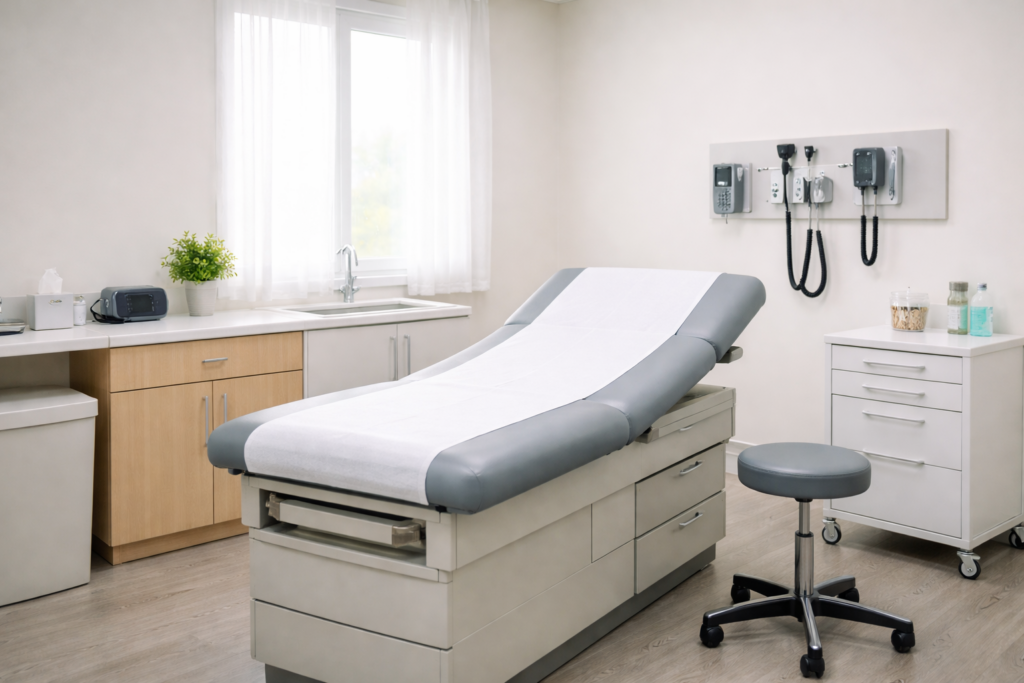
A Medical Approach to Acute Care

Not every illness requires urgent care, but it does require evaluation.

Sick visits are designed to assess new or worsening symptoms, rule out concerning conditions, and provide medically appropriate treatment or guidance.

Common concerns may include:

  • Upper respiratory symptoms such as cough, congestion, or sore throat
  • Fever, fatigue, or flu-like symptoms
  • Gastrointestinal issues including nausea, vomiting, or diarrhea
  • Mild infections or inflammatory conditions
  • Acute pain or discomfort requiring clinical assessment

Care decisions are based on symptom severity, duration, medical history, and examination findings.

How Sick Visits Work

How Sick Visits Work

Symptom Review
Discussion of current symptoms, onset, severity, and associated factors, along with relevant medical history and medications.

Clinical Evaluation
Focused physical examination and assessment to determine likely cause and rule out conditions requiring escalation of care.

Treatment & Guidance
Development of a treatment plan, which may include medication, supportive care, testing when indicated, or referral for further evaluation.

Who May Benefit From Sick Visits

This service is intended for adults experiencing new or worsening non-emergency symptoms who require clinical evaluation, treatment guidance, or follow-up assessment.

Acute Illness

  • Adults experiencing new or worsening symptoms that require medical assessment.

Short-Term Conditions

  • Patients with conditions expected to resolve with appropriate treatment or monitoring.

Symptom Evaluation

  • Individuals unsure whether symptoms require treatment, testing, or observation.

Follow-Up Assessment

  • Patients needing reassessment of recent illness or response to treatment.

*Emergency conditions should be directed to urgent or emergency care services.

A Focus on Safety and Appropiateness

Sick visits prioritize accurate assessment, appropriate treatment, and patient safety. Care is guided by clinical standards, symptom severity, and evidence-based practice rather than routine prescribing.

What to Expect From Care

This service is intended for adults experiencing new or worsening non-emergency symptoms who require clinical evaluation, treatment guidance, or follow-up assessment.

Expectations

Sick visits focus on evaluating symptoms, identifying likely causes, and determining appropriate treatment or follow-up. Not all visits require medication or testing.

Scope

Care may include examination, diagnostic consideration, prescriptions when indicated, supportive care recommendations, and referral if higher-level care is needed.

Discuss Your Options

Schedule a visit to evaluate current symptoms and determine appropriate care.

This website uses cookies to improve your web experience.